
Physical retail is taking on new significance for Gen Z: not just as a place of consumption, but as a space for experiences, social interaction, and brand identity. In an increasingly digital world, expectations of physical spaces are shifting as well. But what role can physical touchpoints play when sales alone are no longer their sole purpose?
The New Reason to Visit What Makes Physical Retail Relevant for Gen Z
Rethinking Physical Retail
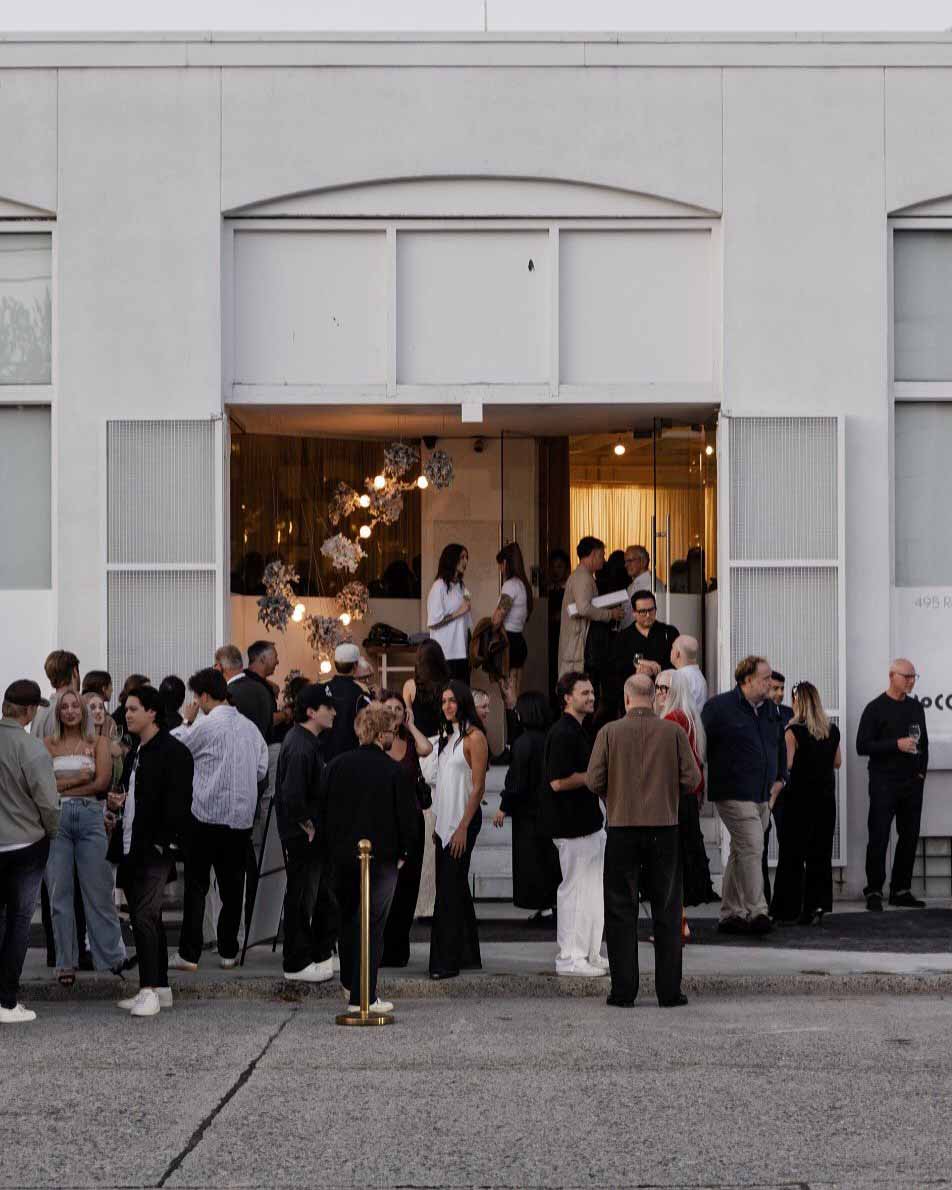
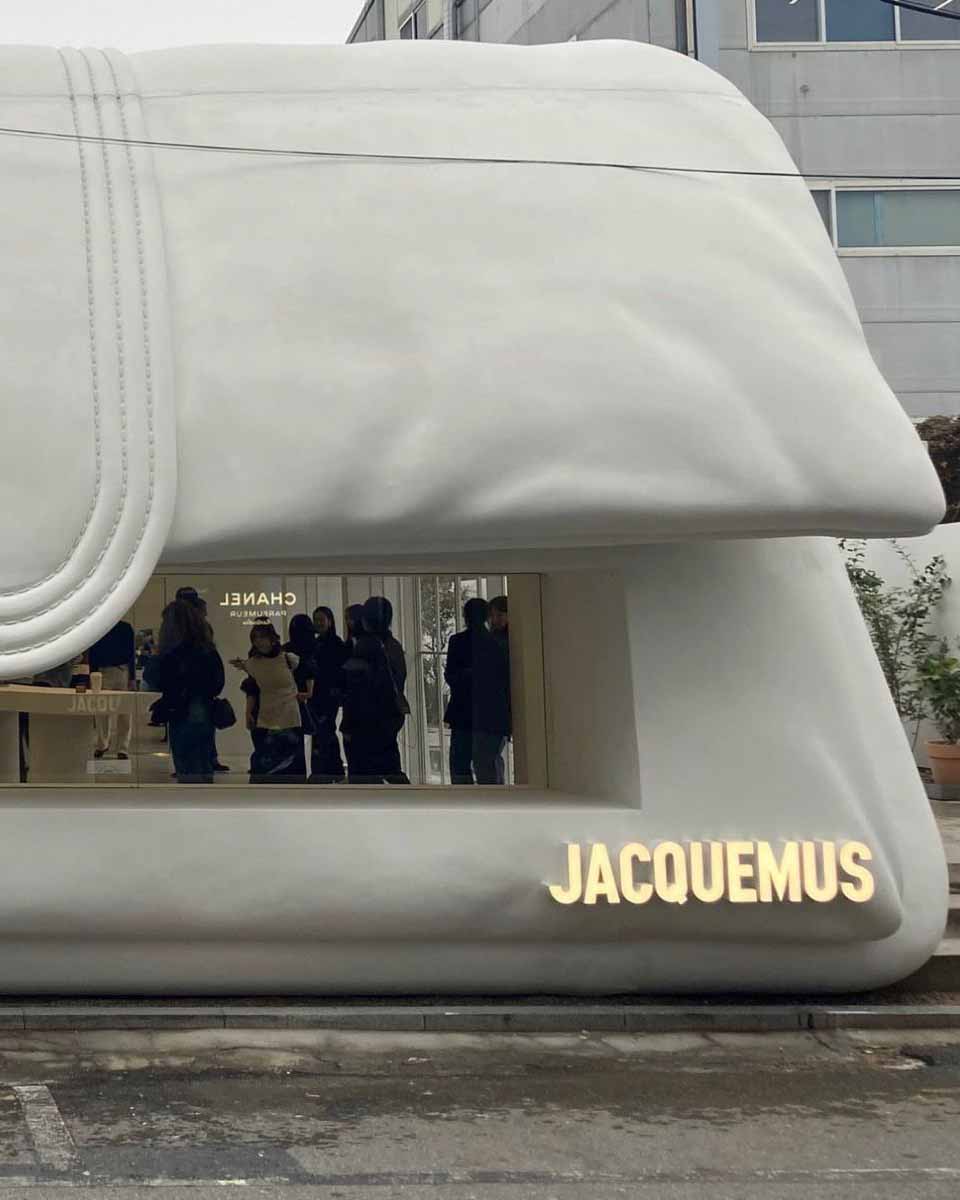
» The more digital our daily lives become, the more valuable
real life encounters become. «
Gen Z and the Desire for Third Places
Generation Z is considered to be digital natives, for whom digital media and technologies are a natural part of their daily lives. [1] At the same time, there is a growing need for real-world experiences and personal interaction. In particular, fast-paced, social-media-driven lifestyles are losing their appeal, while real-life experiences, shared activities, and community are gaining importance. [2] Digital fatigue, as well as a greater focus on mental health and well-being, are also shaping this trend. [3]
[1] Vgl. Fisu, Amiruddin Akbar; Syabri, Ibnu; Andani, I. Gusti Ayu: „Gen-Z and individual third spaces: Examining youth mobility in urban areas in the context of space and time”, in: Cities, Bd. 161, 2025, Art. 105889. DOI: 10.1016/j.cities.2025.105889.
[2] Vgl. WGSN: „Third spaces: the new consumer hang-out spot”, 2026, online verfügbar unter: WGSN (abgerufen am: 03.09.2026).
[3] Vgl. Deloitte: 2026 Gen Z and Millennial Survey, 2026, S. 5.
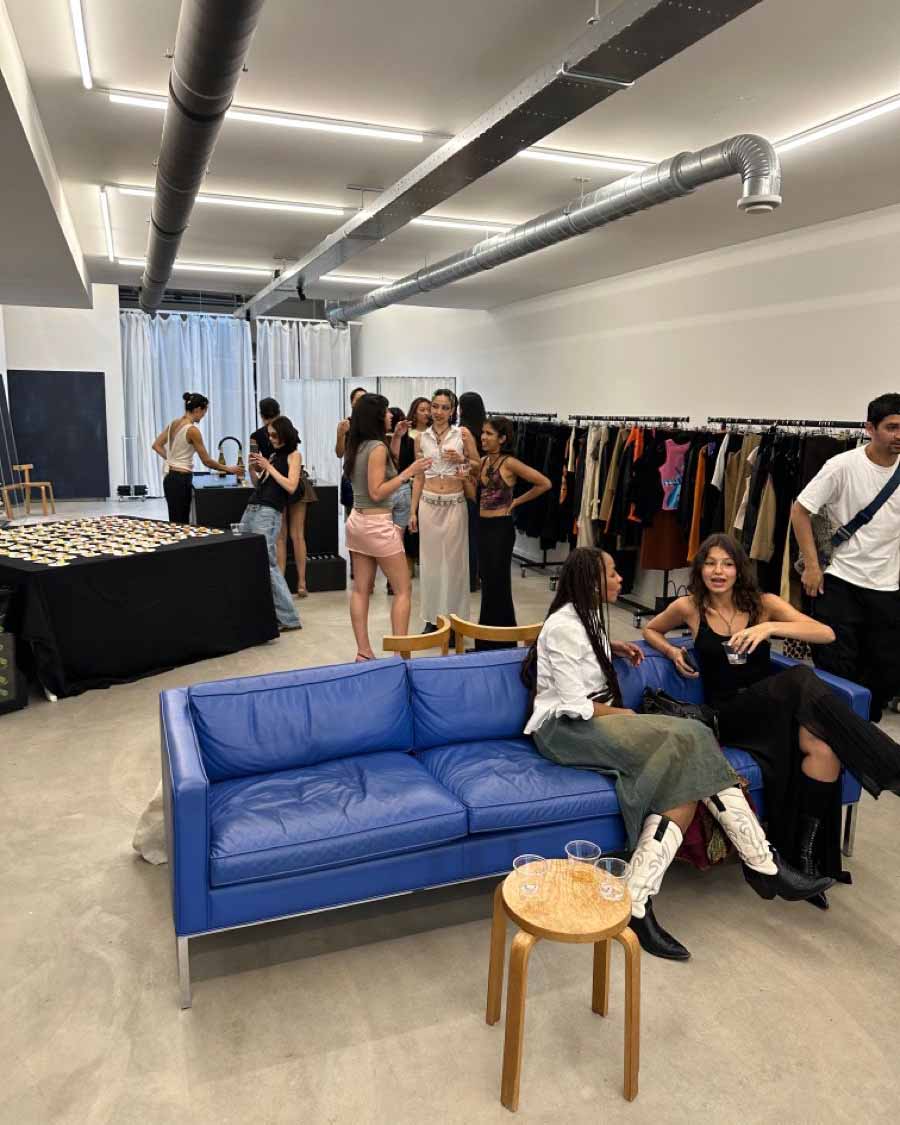
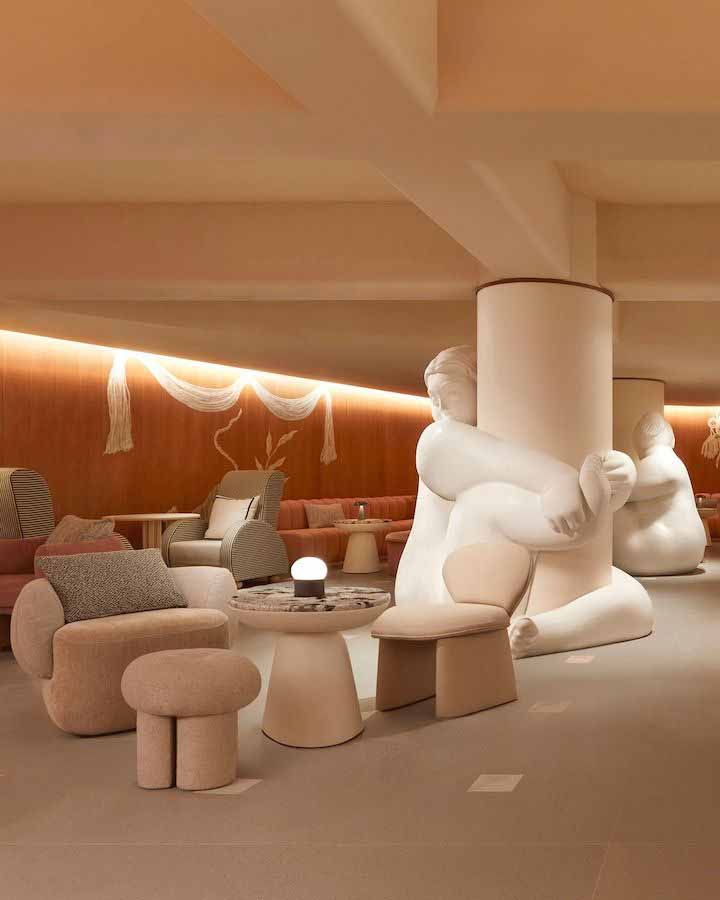
» Gen Z doesn’t consume less; it consumes more consciously. «
Between Saving and Experiencing
The rise of the internet, climate change, the COVID-19 pandemic, wars, and inflation have shaped Gen Z’s expectations of brands. [4]
Financial Security and savings play an important role for Gen Z. [5] For example, 61% of German Gen Zers say they are saving more than they did last year due to the current economic situation. At the same time, more than half of them expect to spend more money on non-essential items. [6] For Gen Z, saving and spending are not fundamentally mutually exclusive. Despite an increased need for security, they are willing to spend their money selectively on products and experiences they perceive as personally relevant. [7]
Physical retail also remains relevant: In a U.S. study, 57% of Gen Z respondents said they view shopping in stores as an experience. [8] At the same time, 55% of German Gen Zers trust brands with an active social media presence. [6]
[5] Vgl. Visa: „Gen Z und Finanzen: Wie junge Erwachsene sparen und investieren.“, 2025, online verfügbar unter: Visa (abgerufen am 03.09.2026).
[6] Vgl. Mintel: „Lebensweisen der Generation Z 2026 – Deutschland, 2026“, online verfügbar unter: Mintel (abgerufen 03.09.2026).
[7] Vgl. McKinsey & Company: „State of the Consumer 2025: When disruption becomes permanent”, 2025, online verfügbar unter: McKinsey&Company (abgerufen am 03.09.2026).
[8] Vgl. McKinsey & Company: „State of the Consumer 2025: When disruption becomes permanent”, 2025, online verfügbar unter: McKinsey&Company (abgerufen am 03.09.2026).
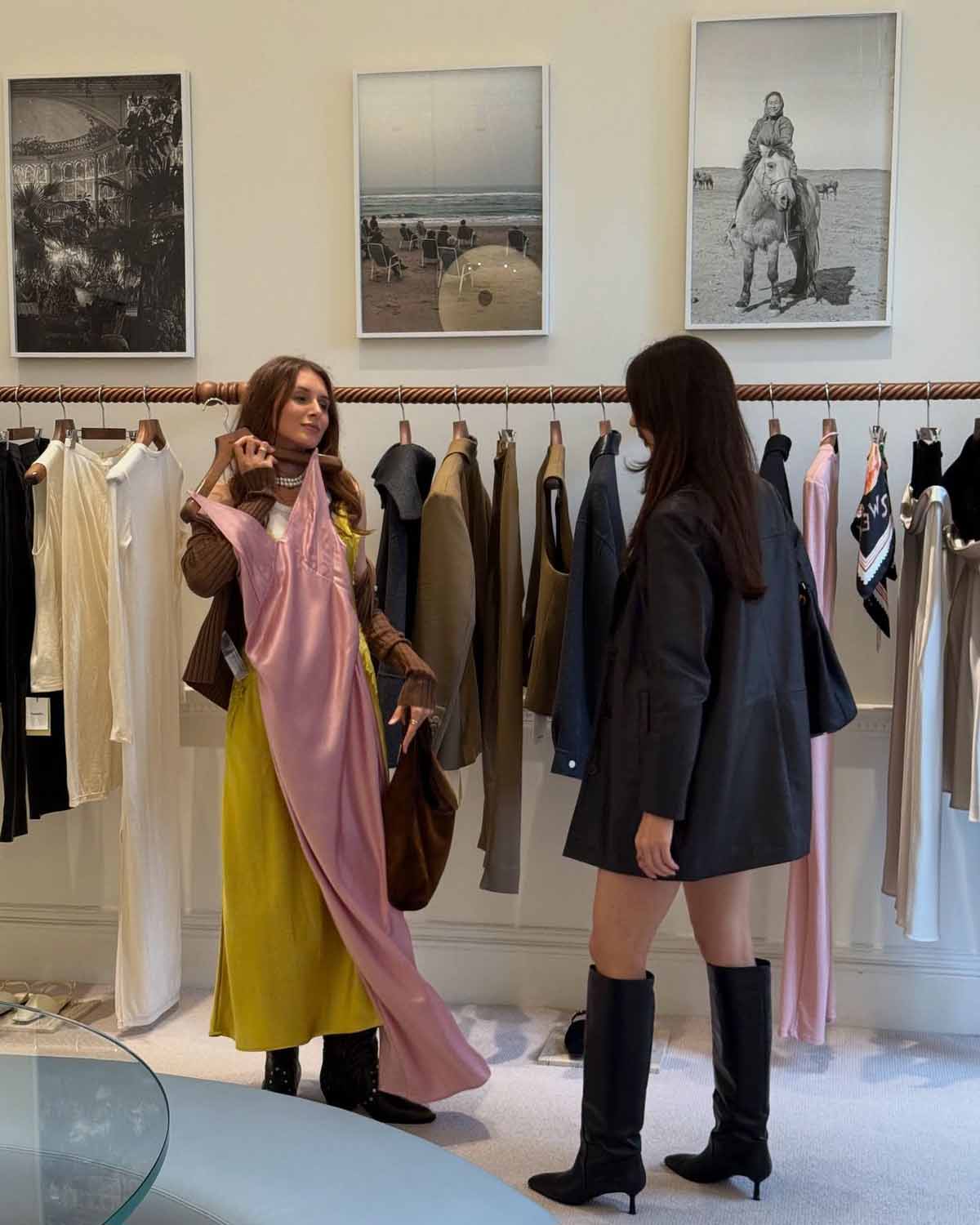
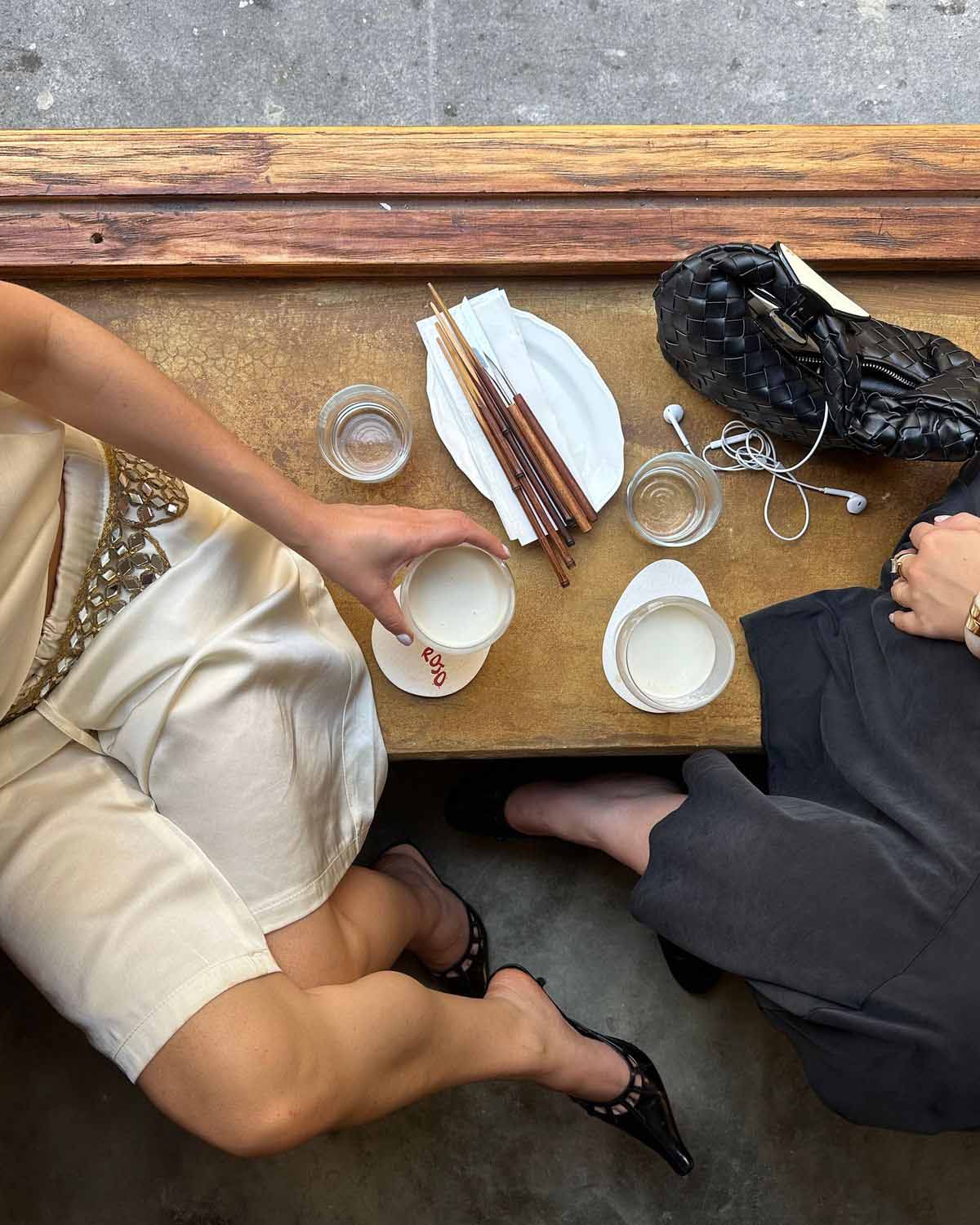
» From Point of Sale to Point of Experience. «
Why Brands Need to Adapt to Gen Z
This purchasing behavior gives rise to new demands on brands and their physical touchpoints. Beyond simply selling products, the question of what additional value a store can offer is becoming increasingly important. So-called third places offer one possible answer.
This concept, which traces back to sociologist Ray Oldenburg, describes informal places outside the home and workplace where people can come together and form social connections. [9]
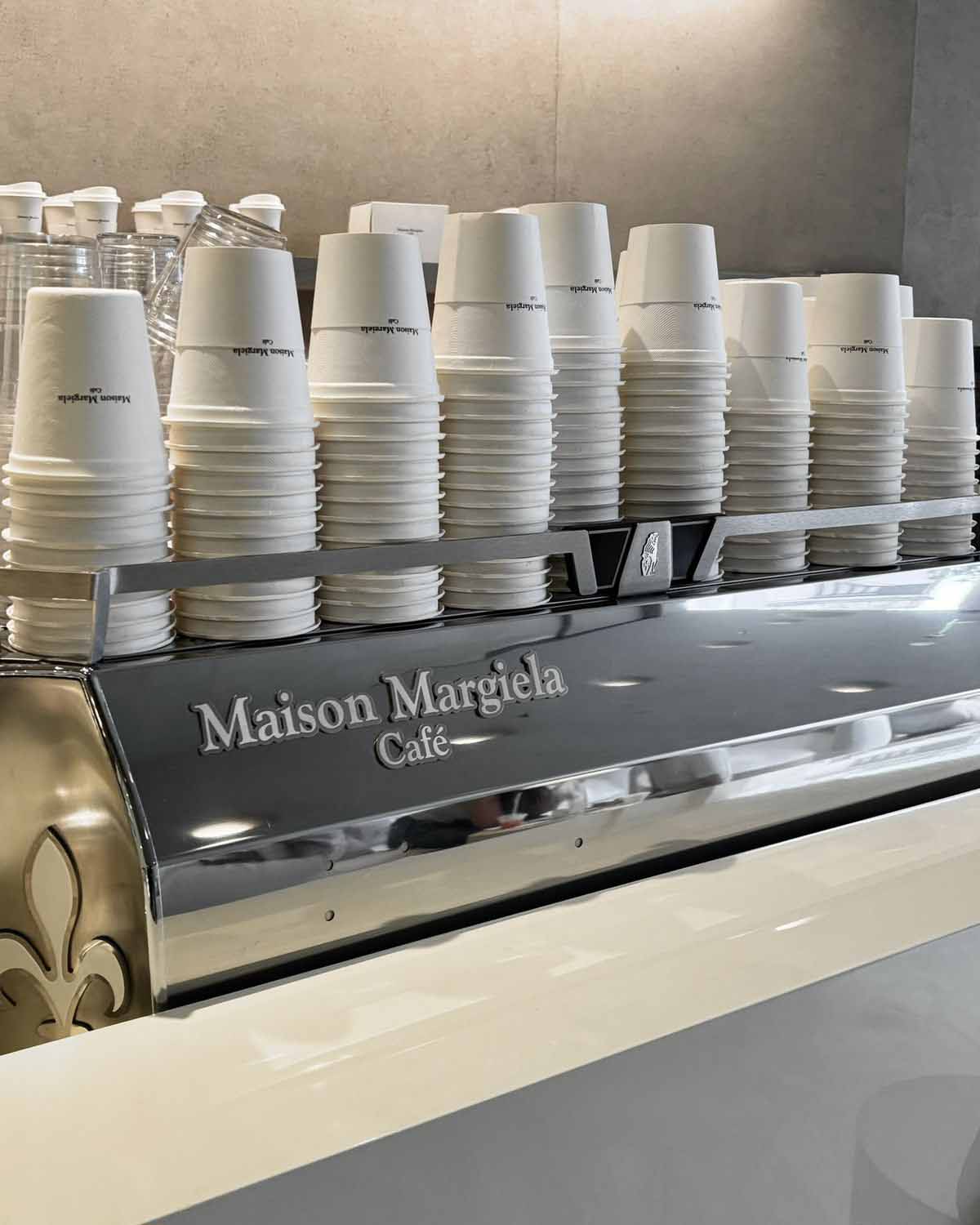
In its classic definition, the third place is not primarily commercial in nature. In retail, therefore, the principle is being reinterpreted: stores are being enhanced with offerings that go beyond mere shopping and create space for lingering, socializing, and community. Fashion brands, for example, are integrating café counters, bookshelves, or seating areas to achieve this. [10]
[9] Vgl. Oldenburg, Ray; Christensen, Karen: „Third places, true citizen spaces”, in: The UNESCO Courier, 22.03.2023, online verfügbar unter: UNESCO (abgerufen am 03.09.2026).
[10] Vgl. Raj, Maheshwari: „Why Fashion Brands Are Opening Cafés and Bookspaces Inside Their Stores”, in: Curation Edit, 30.01.2026, online verfügbar unter: Curation Edit (abgerufen am 03.09.2026).
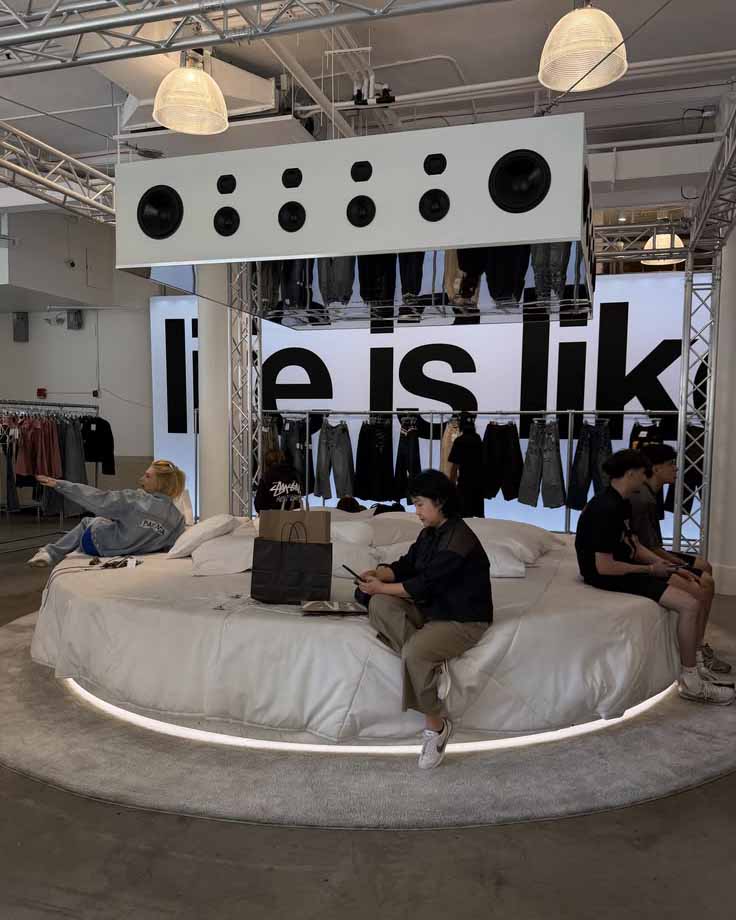
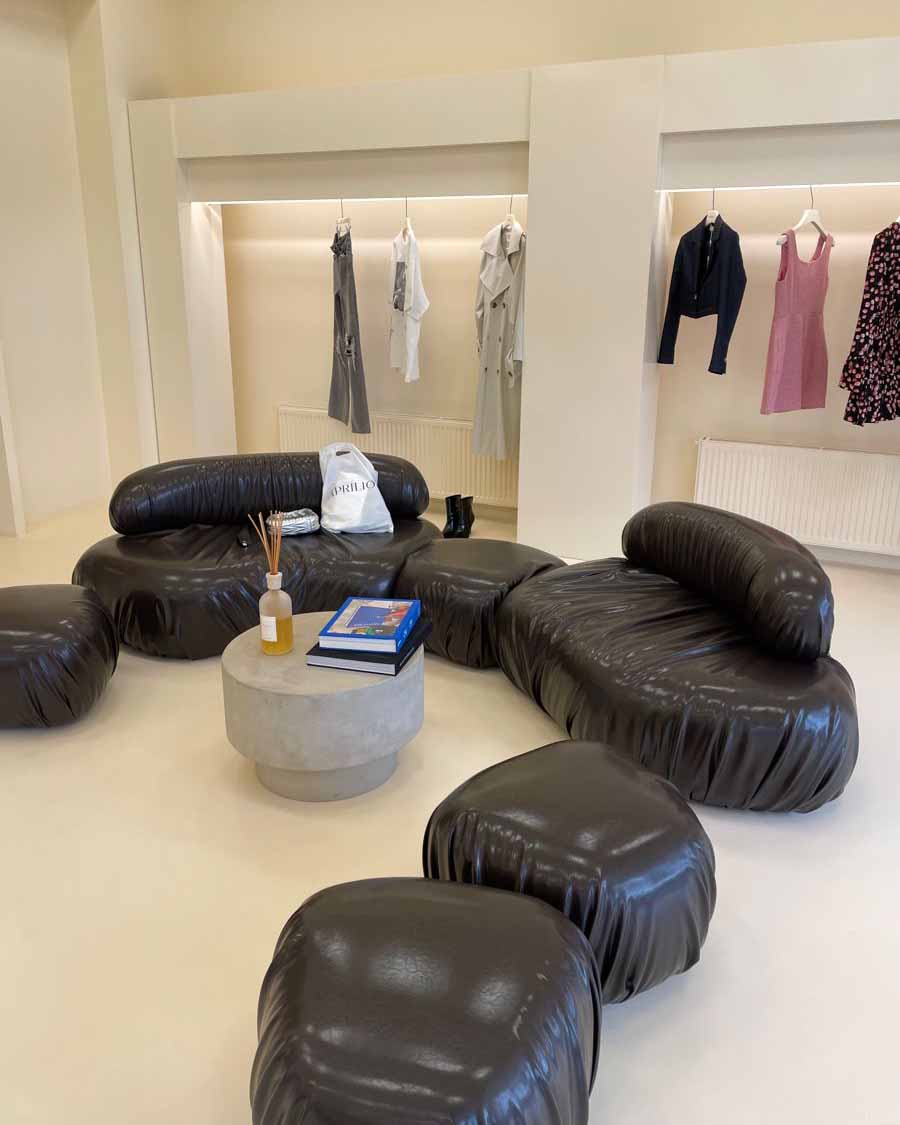
» Hospitality creates new reasons to engage with a brand. «
Third Places in Practice: Ralph’s Coffee
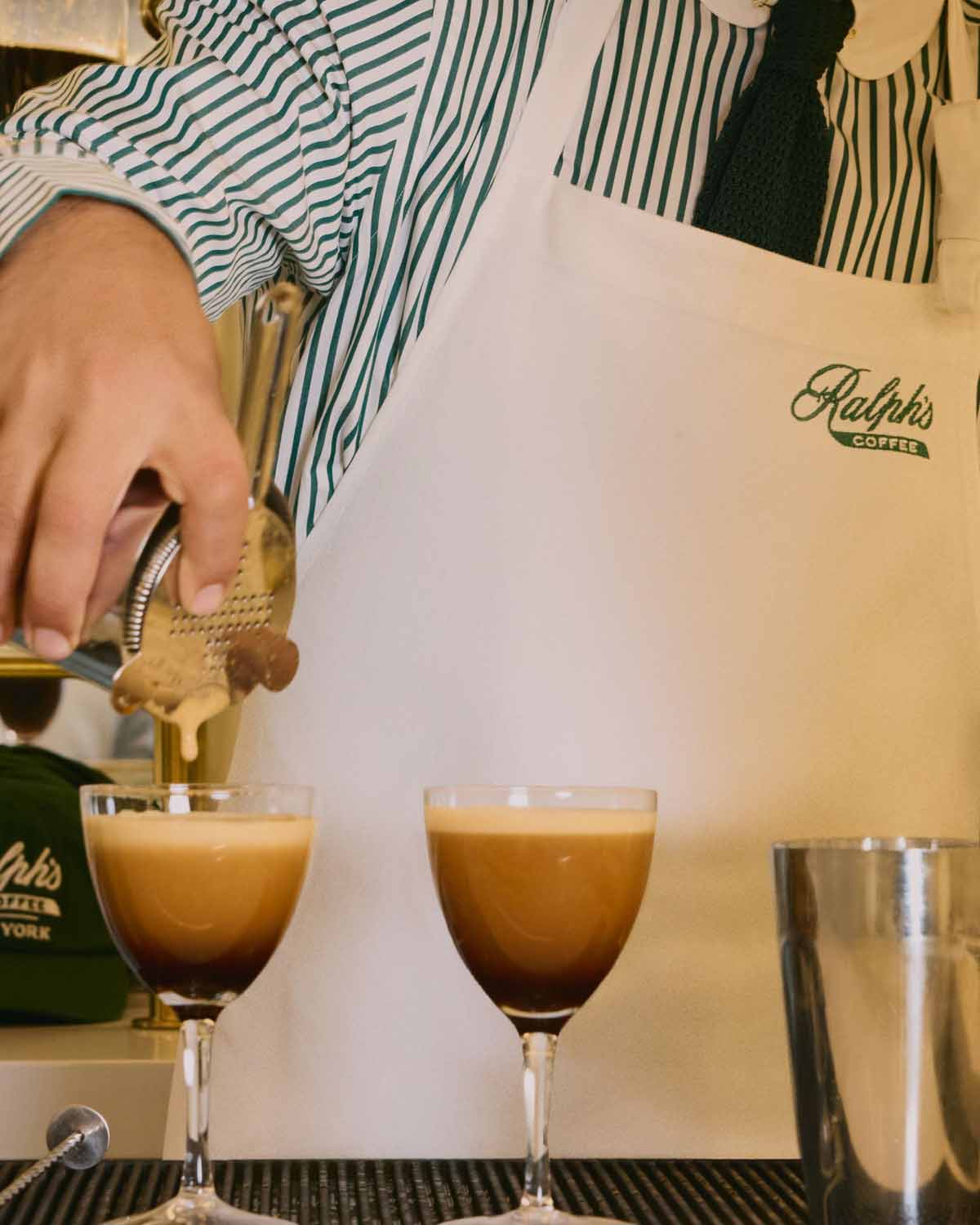
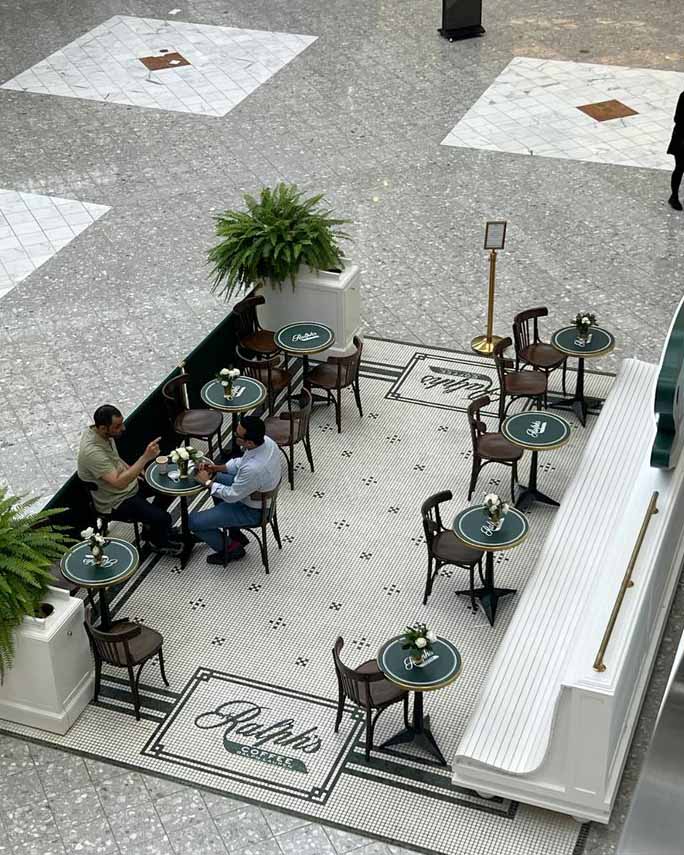
With Ralph’s Coffee, Ralph Lauren is expanding its brand universe to include its own café concept that goes beyond traditional retail. The food and beverage offering creates an additional, relatively accessible touchpoint with the brand and integrates the food and beverage experience into a physical brand experience. [11]
However, this example shows only one possible interpretation of third-place principles in retail. An international comparison reveals just how differently brands can integrate such additional spaces and experiential offerings into their physical locations.
[11] Vgl. CBRE: „Food & Beverage Tomorrow: Why are luxe brands embracing food and drink concepts?”, 04.12.2023, online verfügbar unter: CBRE (abgerufen am 03.09.2026).
» Third-place principles can be applied in various ways
in retail. «
Another Interpretation: HAUS DOSAN in Seoul
Third-place principles do not follow a fixed concept; they can be translated into physical brand experiences in various ways. While Ralph Lauren creates a hospitality touchpoint with Ralph’s Coffee, HAUS DOSAN demonstrates how retail, dining, and spatial design can interact within an overarching concept.
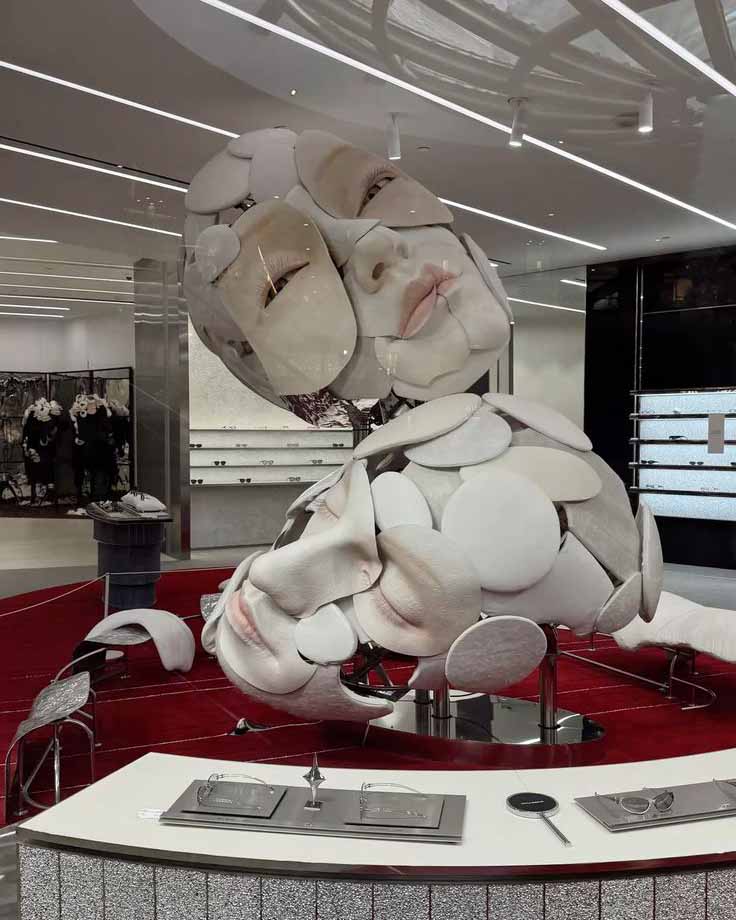
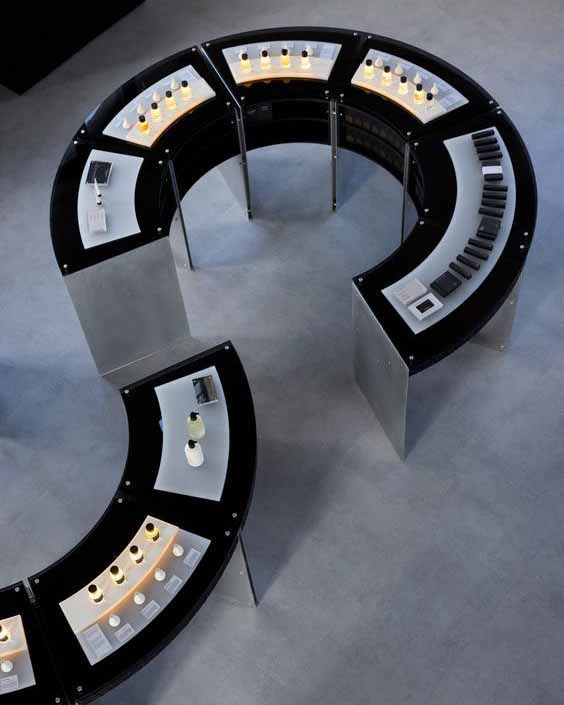
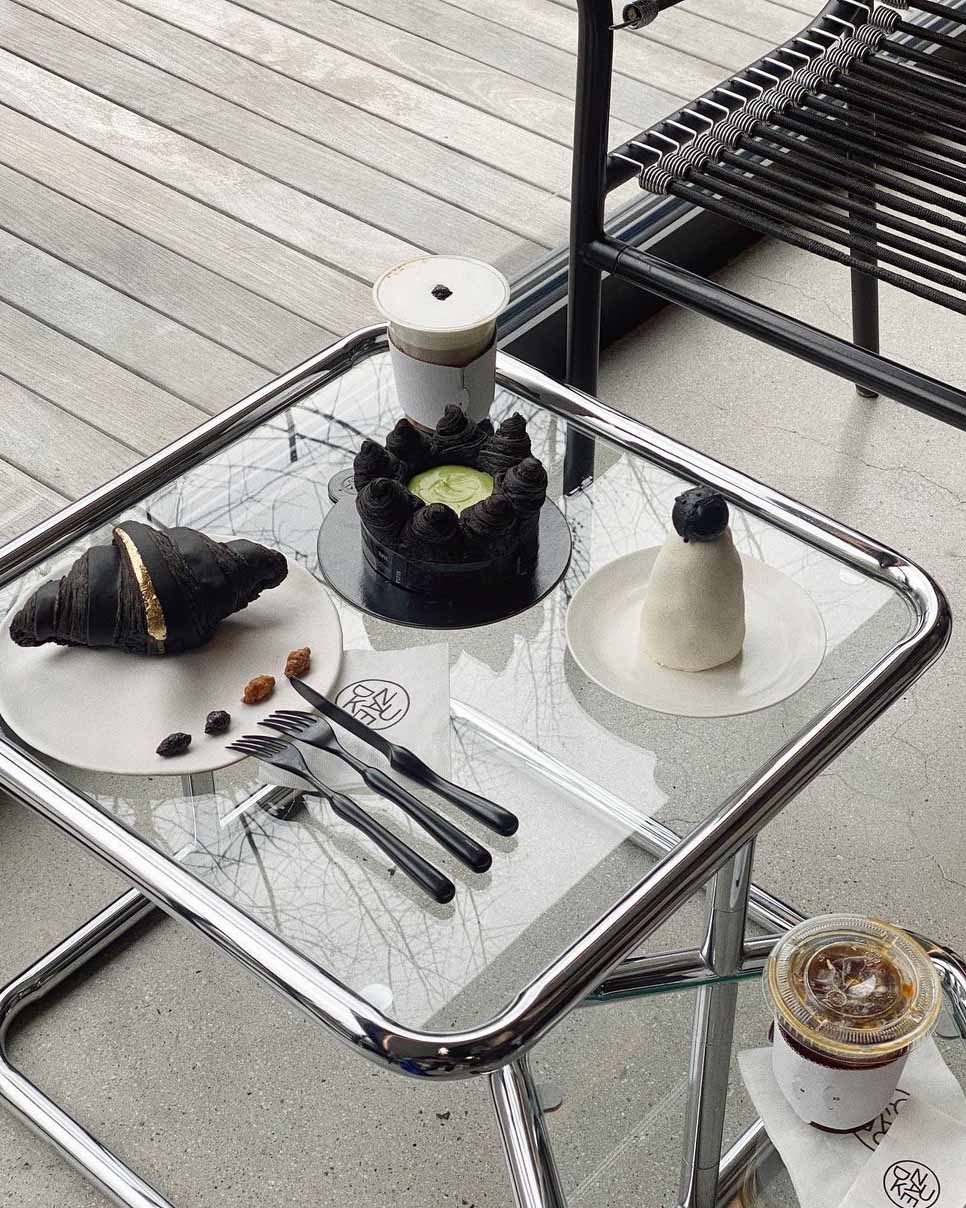
HAUS DOSAN in Seoul demonstrates just how far this connection can go. The future retail concept, initiated by Gentle Monster, unites the eyewear brand Gentle Monster, the cosmetics brand Tamburins, and the dessert brand NUDAKE within a shared experience. [12] At NUDAKE, desserts inspired by art and fashion are presented like works of art. Thus, dining itself becomes an integral part of the spatial experience. [13]
In this way, retail, gastronomy, product, and spatial design intertwine within an overarching concept.
[12] Vgl. Gentle Monster: „HAUS DOSAN“, online verfügbar unter: Gentle Monster (abgerufen am 03.09.2026).
[13] Vgl. Gangnam-gu: „Nudake Haus Dosan – Sweetness Between Art and Gourmet”, online verfügbar unter: Visit Gangnam (abgerufen am 03.09.2026).
» Luxury doesn’t always begin with the luxury product. «
Third Places as a Gateway to Luxury Brands
Third-place principles can open up new opportunities for brands to create accessible physical touchpoints. Ralph’s Coffee, for example, demonstrates how younger consumers in particular can physically engage with a brand through an accessible dining experience. [11]
Cafés, in particular, can serve as a relevant touchpoint for Gen Z. A study on Gen Z’s café usage behavior shows that café visits go beyond mere consumption and are also linked to social interaction and lifestyle. [14]
Such additional touchpoints can be particularly relevant for luxury brands, as even customers with lower spending in the luxury segment show interest in additional brand experiences. [15] Among so-called aspirational luxury clients, 75% say they are likely to buy from a brand again if it offers them free experiences. Additionally, 73% would be willing to pay for access to exclusive luxury events. [16]
Ralph Lauren thus creates various entry points into its brand world: from café visits to merchandise to its classic fashion offerings. [17]
[14] Vgl. Agustiarmaputri, S. (2025): Aesthetics, simulacra, and lifestyle consumption: A social practice in the representational space of ‘Ada Apa Dengan Kopi’ café on gen-Z. In: Jurnal Sosiologi Dialektika, 20(2), S.173-185. DOI: 10.20473/jsd.v20i2.2025.173-185.
[15] Vgl. EY: Luxury Client Index 2025, 2025, online verfügbar unter: EY (abgerufen am 03.09.2026).
[16] Vgl. EY: Luxury Client Index 2026, 2026, online verfügbar unter: EY (abgerufen am 03.09.2026).
[17] Vgl. Ralph Lauren: „Ralph’s Coffee“, online verfügbar unter: Ralph Lauren (abgerufen am 03.09.2026).
» The value of a retail space cannot be measured by sales alone. «
The Value of Space Beyond Sales
For brands, the question is not so much whether they need a third place, but rather what added value their physical touchpoints can offer. It is crucial that this value aligns with the needs of the target audience and the brand’s identity. In addition to direct sales, the in-store experience is also becoming increasingly important.
Physical spaces can foster encounters and a sense of community. Shared experiences and interactions can strengthen brand communities and the relationship with the brand. [18] At the same time, the design of the space itself influences the experience: multisensory elements such as materials, lighting, or acoustics can affect, among other things, consumer behavior and the length of time they spend there. [19] Digital and physical touchpoints also intertwine in this context. A thoughtfully designed environment can inspire consumer-generated content and lead to additional brand communication. [20]
For brands, therefore, it is not about copying existing third-place concepts, but rather about creating relevant, brand-specific experiences.
[18] Vgl. Stokburger-Sauer, Nicola (2010): „Brand community: Drivers and outcomes”, in: Psychology & Marketing, 27(4), S. 347-368. DOI: 10.1002/mar.20335. Zum Artikel bei Wiley.
[19] Vgl. Helmefalk, Miralem; Hultén, Bertil (2017): „Multi-sensory congruent cues in designing retail store atmosphere: Effects on shoppers’ emotions and purchase behavior”, in: Journal of Retailing and Consumer Services, 38, S.1–11. DOI: 10.1016/j.jretconser.2017.04.007.
[20] Vgl. Campbell et al. (2022): „That’s So Instagrammable! Understanding How Environments Generate Indirect Advertising by Cueing Consumer-Generated Content”, in: Journal of Advertising, 51(4), S. 411–429. Zum Artikel.
» The right experience doesn’t start with a format, but with relevance. «
From Strategy to Physical Brand Experience
Gen Z’s changing purchasing and usage behaviors challenge brands to rethink their physical touchpoints. This is less about adopting existing third-place concepts and more about determining what form of physical experience is relevant to their own target audience and brand identity.
This can give rise to a wide variety of approaches—from pop-ups and activations to community and hospitality formats, all the way to brand spaces. Through design, materials, lighting, communication, and multisensory elements, strategic ideas are translated into a cohesive spatial experience.
To turn an idea into a functioning physical brand experience, technical, production, and logistical requirements must also be considered from the very beginning. This allows for the creation of experiences that not only align conceptually with the brand but can also be activated temporarily, implemented permanently, or replicated across different locations.
Think stories not stores